2026 / Destination Marketing
Vacare Deo
Tourism product digitalization, UX design, and website development for Vacare Deo at the Mount of Olives in East Jerusalem, helping the Benedictine Sisters present contemplative visits, hospitality spaces, meetings, vol…
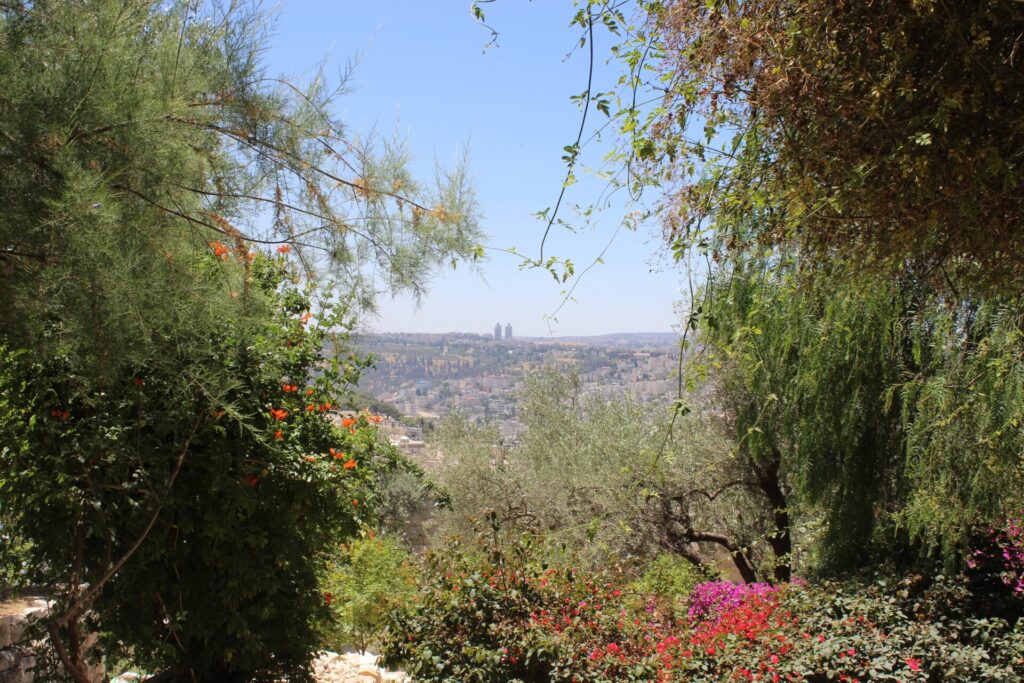
Vacare Deo is a contemplative visitor experience at the Mount of Olives in East Jerusalem, set in the garden of the Benedictine Sisters. The website presents the place as a calm religious and cultural encounter: the church, the contemplation garden, meeting rooms, monastic hospitality, youth accueil, volunteering, and seasonal olive-picking experiences.
I supported the project by digitalizing the tourism and hospitality products, shaping the user experience, and developing the website so visitors, groups, partners, and pilgrims can understand the offer more easily and move from inspiration to practical contact.
Role
Tourism digitalization, UX design, and website development consultant
2026
Scope
- Structured the visitor-facing offer around clear experience categories, including contemplative visits, monastic hospitality, meeting spaces, volunteering, and olive-harvest activities.
- Designed the website user experience so religious tourism products are easier to browse, understand, and request from mobile and desktop devices.
- Developed the website and content structure from scratch, connecting storytelling, practical information, calls to action, and visual media into one coherent platform.
- Supported the digital presentation of the Benedictine Sisters’ place-based hospitality while keeping the tone calm, respectful, and aligned with the contemplative character of the site.
- Connected the work to a wider tourism development and digitalization context involving GIZ and Swiss development support.
Why it matters
The project turns a rich but delicate place-based offer into a more usable digital journey. Instead of treating the website as a brochure, the work organizes real visitor needs: what the place is, what can be experienced there, who it is for, and how a visitor or group can take the next step.
For East Jerusalem religious tourism, that kind of digitalization matters because many meaningful experiences are rooted in communities, institutions, gardens, heritage buildings, and hospitality traditions that are not always easy to discover online. Vacare Deo makes those offers more visible while preserving the quiet identity of the place.